
Adam Quinn, Greyman OPS · 07/09/2026 · Originally shared on LinkedIn [DRAFT — not published]
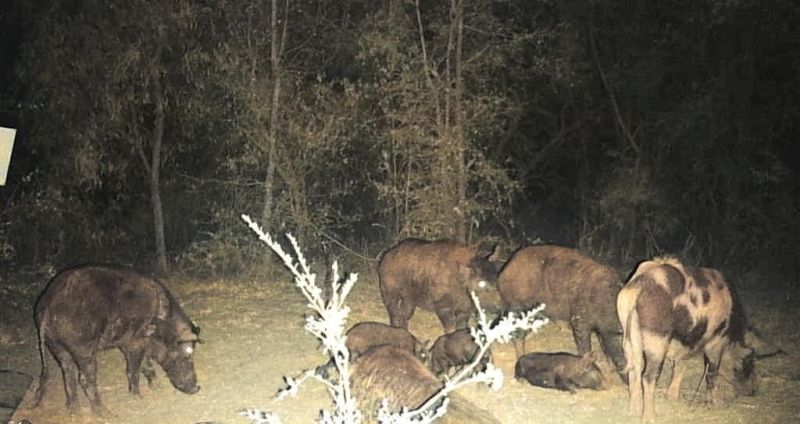
We are seeing more and more of it: endless lines of feral pigs. It is getting close to being out of control, and in some places it may already be.
Feral pigs have bred successfully on the back of large wet seasons and plentiful food. As the weather warms and dries, growing populations go looking for water and respite from the heat. With many Queensland regions already drought declared, that is a real opportunity to keep reducing the numbers that have built up.
Coordinated and yearly beats ad hoc
There is already a lot of good work being done on the ground. But large-area, landscape-scale outcomes are only really effective when aerial control programs are coordinated and run every year. Ad hoc, reactive and inconsistent programs have an immediate effect, but it is temporary. Our own operations support that.
Federal, state and local government help for large, coordinated aerial programs is hard to manage, and frankly it is not up to government to foot the entire bill. Feral pigs do not respect property boundaries, so community participation is crucial to get the most out of every program.
When to run a program
Late winter, through spring and into summer (before the wet season) is the ideal time. Greyman OPS has landscape-scale programs scheduled across Northern NSW, the Darling Downs, Central Queensland and North Queensland over the coming months [CONFIRM: Upcoming regions (Northern NSW, Darling Downs, Central Qld, North Qld) still current]. Partially funded aerial programs are available for participating landholders.
Thermal surveys first
We run AI thermal drone surveys to learn more about the night behaviour and movements of pigs. That data helps us design efficient, effective flight paths for landscape-scale aerial programs, so every flying hour counts.
Ask us for our Capabilities Statement for more information.
Sources: Personal post, 07/09/2026; Personal post, 14/07/2026; Personal post, 14/10/2025 (no permalink captured).