
Adam Quinn, Greyman OPS · 30/09/2025 · Originally shared on LinkedIn [DRAFT — not published]
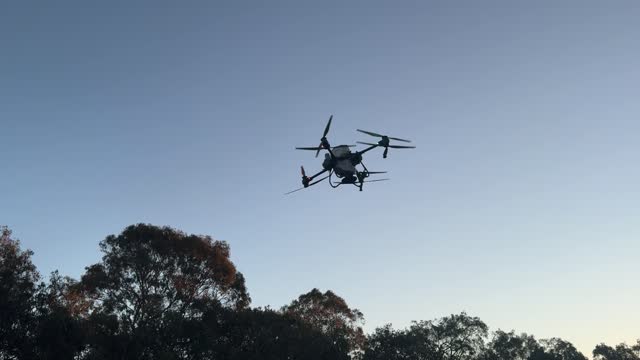
Most of us know that red imported fire ants are a huge risk to our precious wildlife and our outdoor lifestyle. Over 2025 we received numerous enquiries for fire ant bait spreading with our agricultural drones, and the demand keeps growing.
Where drones make the difference
Some areas are too small for helicopters, and too dangerous or too big for ground treatment. Think landfill sites, very steep terrain, and technical areas that can’t be reached on foot or by vehicle, or where it is simply not safe for people to go. In those places, drones are the best way to treat fire ants safely, efficiently and thoroughly.
How we do it
We set up DJI Agras T50 drones with spreading hoppers for precision bait spreading, and we now also fly the larger Agras T100. Greyman OPS works with environment teams on mining and bioenergy sites in South East and Central Queensland to deliver effective treatments with high precision, in line with CASA, APVMA [CONFIRM: Original post said “AVPMA”; corrected to APVMA (the pesticides regulator). OK?] and government guidelines.
We also use thermal drones to help find nests [CONFIRM: Using thermal drones to find nests: describe as current practice or trial?], and Ag drones to spread the baits.
Supporting the science
Researchers at The University of Queensland have been studying the impacts of fire ants on native Australian wildlife, including working with landholders who host camera traps. We are keen to see the results, because better knowledge of the impacts helps everyone target treatments where they matter most.
Have you seen fire ants in areas that are hard to reach? Send us a message to find out how we can help.
Sources: Personal post, 30/09/2025 (no permalink captured); Personal post, 26/08/2025; Personal post, 27/07/2025.